Supportive Resources for Families & Caregivers
The Ferguson Library’s Special Needs Center offers a wide range of supportive resources for families and caregivers. These include easy-to-understand informational materials focused on disability-related topics. Visitors can also find notices about nearby events and conferences, Braille children’s books, and specialized software that can be used at home. In addition, the library offers a Sensory Storytime preschool program designed to create a welcoming, sensory-friendly early learning experience.
Resources for Sensory Support & ASD-Friendly Library Visits
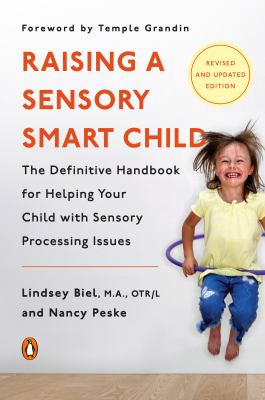
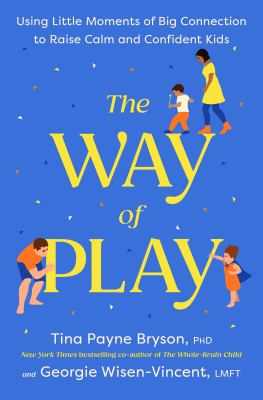
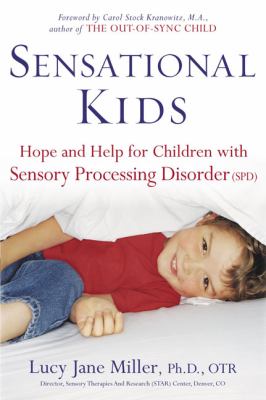
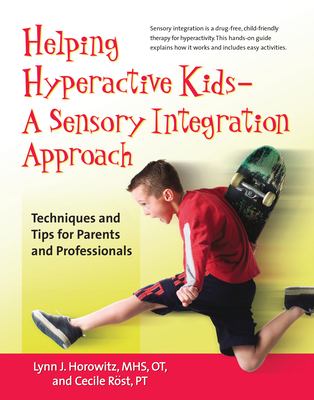
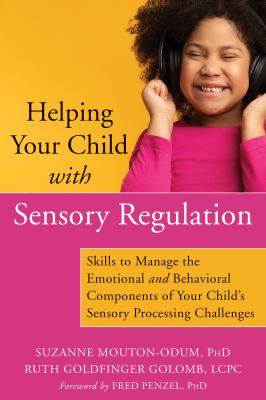
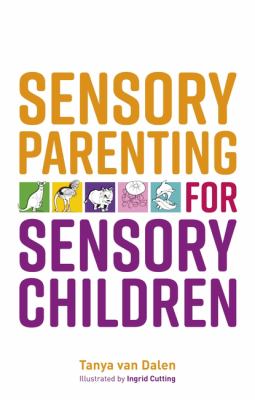
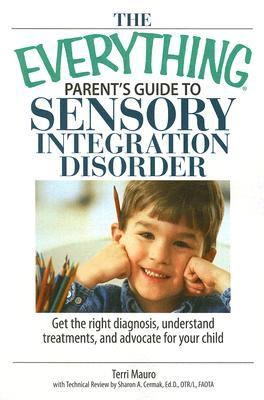
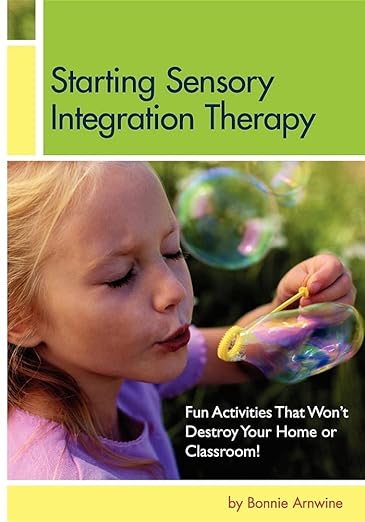
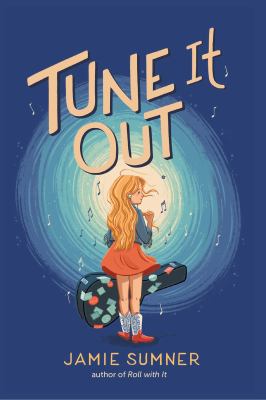
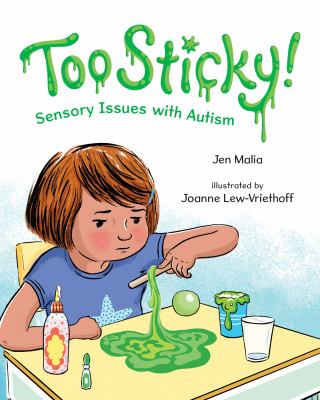
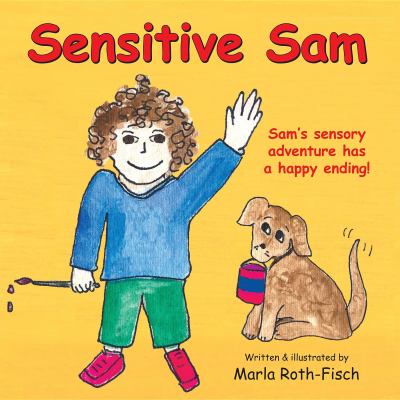
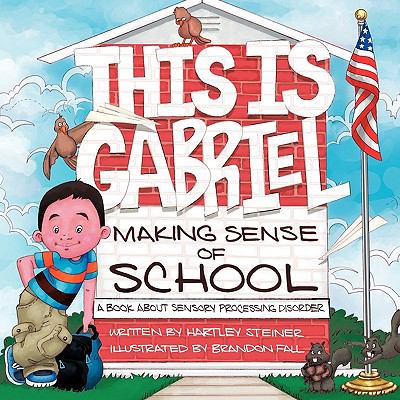
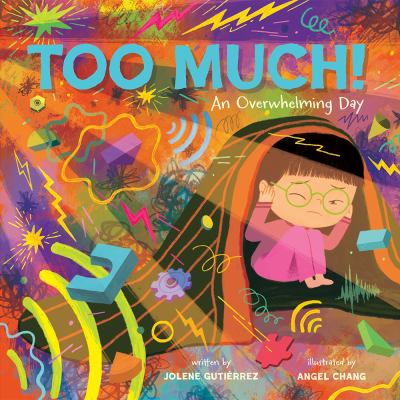
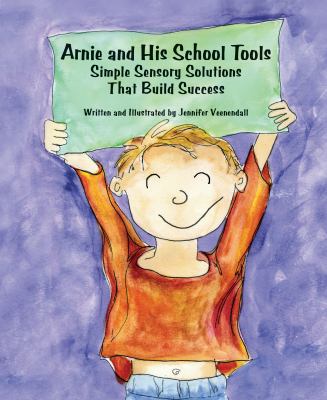
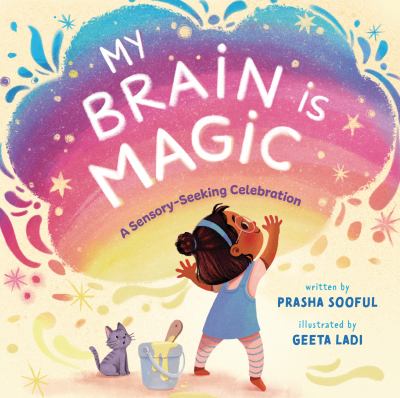
Explore our helpful resources created by The Ferguson Library’s Special Needs Center to support families and caregivers. The Sensory Booklist highlights recommended books for both adults and children, offering guidance on sensory processing disorder, sensory-friendly activities, and stories that help kids feel understood. The ASD Library Visit Guide provides practical tips for preparing, navigating, and enjoying a successful library visit with a child on the autism spectrum, including social stories, routines, communication tools, and strategies for reducing stress. Click the PDFs to learn more and make your next library visit easier, calmer, and more enjoyable for everyone.
Making Sense of Sensor Processing Disorder

Keys to a Successful Library Visit for Your Child with ASD (Autism Spectrum Disorder)
- Use Social Stories, a written-out script that describes what will happen at the library. Read the social story with your child before your library visit.
- Use a Daily Activity Schedule, which includes the time allotted for the library visit as well as other things your child will do. Review the schedule with your child throughout the day.
- Develop a Sensory Diet. Squeeze balls, swinging, brushing, therabands, gum chewing, weighted vests, etc. may help your child manage stress and organize himself. Use these tools before and during the library visit.
- Time library visits for success (when your child with ASD is not tired, hungry or overloaded, and when the library is relatively quiet and empty).
- If your child is nonverbal, use a picture communication system like PECS so your child can communicate directly with the librarian and others.
- Find out details about any library program you plan to attend so you can decide if it is developmentally appropriate for your child and so you can identify if any accommodations are needed.
- At a time when the library is quiet, introduce your child with ASD to the library staff, describing eccentricities and what is most likely to lead to meltdown. Request any needed accommodations and discuss with librarians how best to meet your child’s needs.
- Facilitate transitions for your child (for example, give him a ten and five minute warning before his computer time is up).
- Stick to routines, or prepare your child beforehand if you will have to deviate from routine.
- Be on the alert for unusual noises or events that could upset your child, like a running vacuum cleaner or a substitute librarian at a story program. Take your child aside to address these issues. Sometimes this can help your child feel safe and avoid meltdown.
- Don’t be embarrassed if your child is a little noisy, or talks out of turn to the librarian. If you have introduced him to the staff, they will make allowances for mild acting out behaviors.
- If your child goes into meltdown (screams, hits or tantrums) remove him from the premises (you can find out in advance if there is a quiet place in the library where you can bring your child at these times). When he is calm again, you can return to the library.
Sensory Books For Adults